
Hardwood Floor Installation in Atlanta, GA

Atlanta's 68% average humidity and red clay soil create specific challenges for hardwood flooring that generic installation methods don't address. From crawl space moisture control in Virginia-Highland bungalows to slab-on-grade prep in Buckhead condos, proper hardwood installation in metro Atlanta requires climate-adapted techniques, species selection matched to your foundation type, and acclimation protocols designed for Georgia's subtropical conditions. Most Atlanta installations run $10–$16 per square foot depending on species, subfloor condition, and project scope.

Get Your Free Estimate: 888-959-0968
68% Average Relative Humidity
50.4" Annual Rainfall
$10–$16 Per Sq Ft Installed
5–10 Days On-Site Acclimation

Hardwood Flooring Services in Atlanta

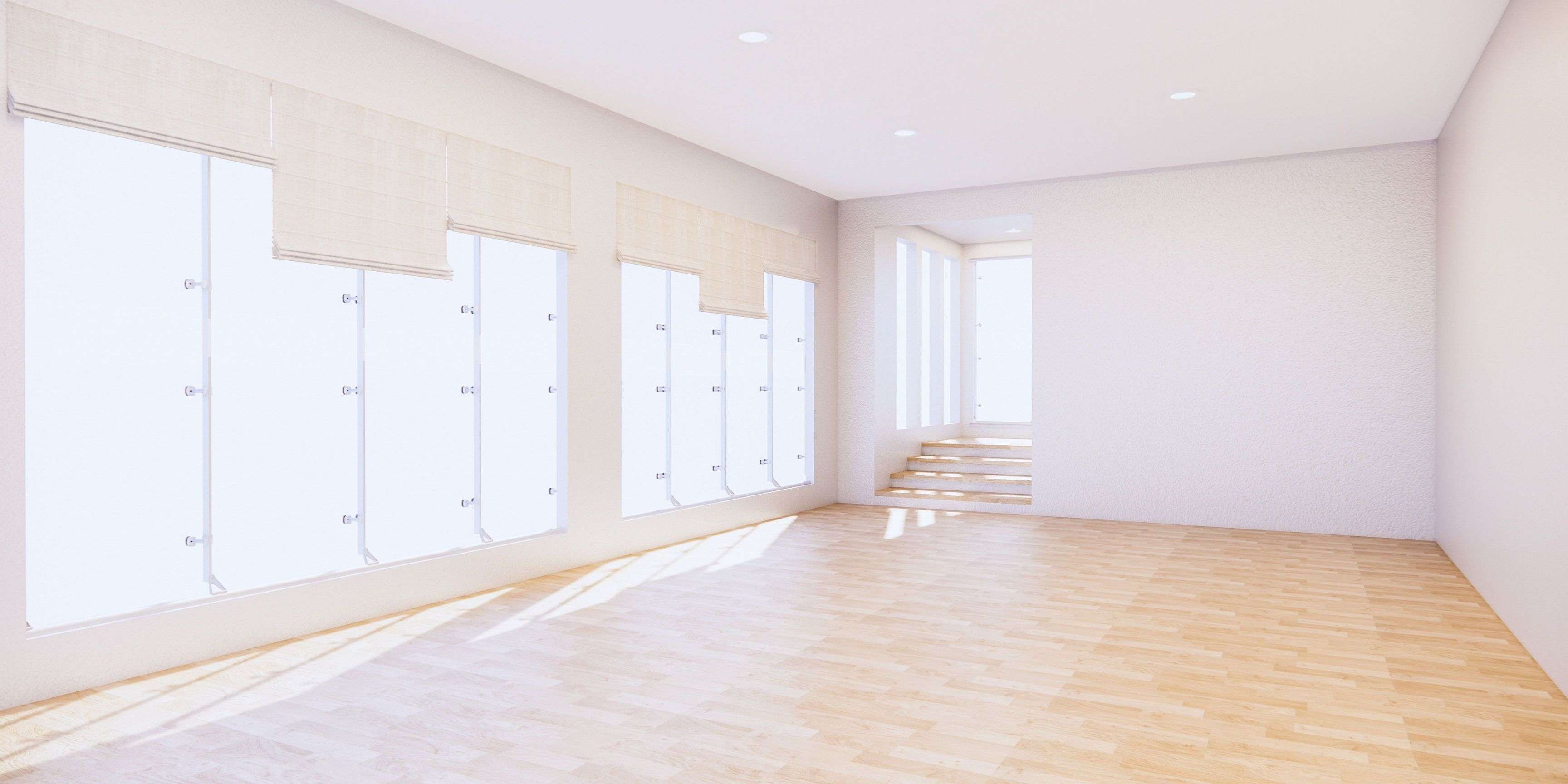
Professional hardwood flooring installation in an Atlanta home

Atlanta's building stock ranges from 1920s Craftsman bungalows in Inman Park to modern high-rises in Midtown, and each structure presents different flooring requirements. We handle installations across all foundation types common in metro Atlanta: pier-and-beam with crawl spaces (typical in Grant Park, Decatur, and East Atlanta), concrete slab-on-grade (common in Sandy Springs and Brookhaven new construction), and raised foundations in older Buckhead estates.

Installation
Nail-down, glue-down, and floating installations with humidity-controlled acclimation for Atlanta's climate
Refinishing
Dust-contained sanding and refinishing with water-based and oil-modified polyurethane options
Repair
Board replacement, water damage restoration, and subfloor remediation for red clay moisture issues
Service Area
Atlanta metro including Buckhead, Midtown, Virginia-Highland, Decatur, Druid Hills, Inman Park, Grant Park, Brookhaven, Sandy Springs, Dunwoody, Roswell, and East Atlanta (30301–30312, 30318–30327, 30329, 30342, 30345)
Licensing
Georgia state licensed for projects over $2,500 per Secretary of State requirements; City of Atlanta business licensed; fully insured with liability and workers' compensation coverage
Why Hardwood Flooring Works in Atlanta

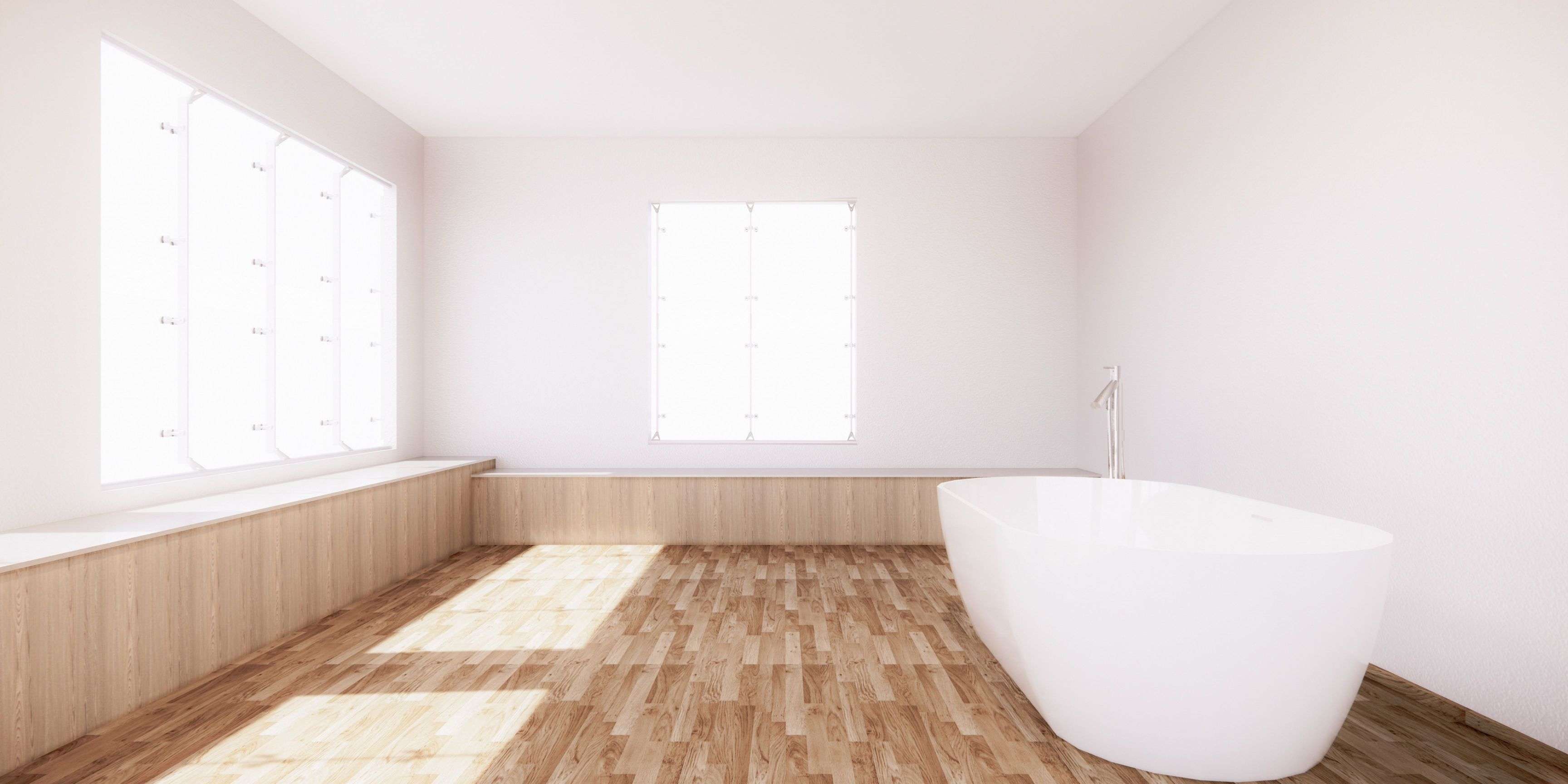
Hardwood flooring enhancing an Atlanta home's interior

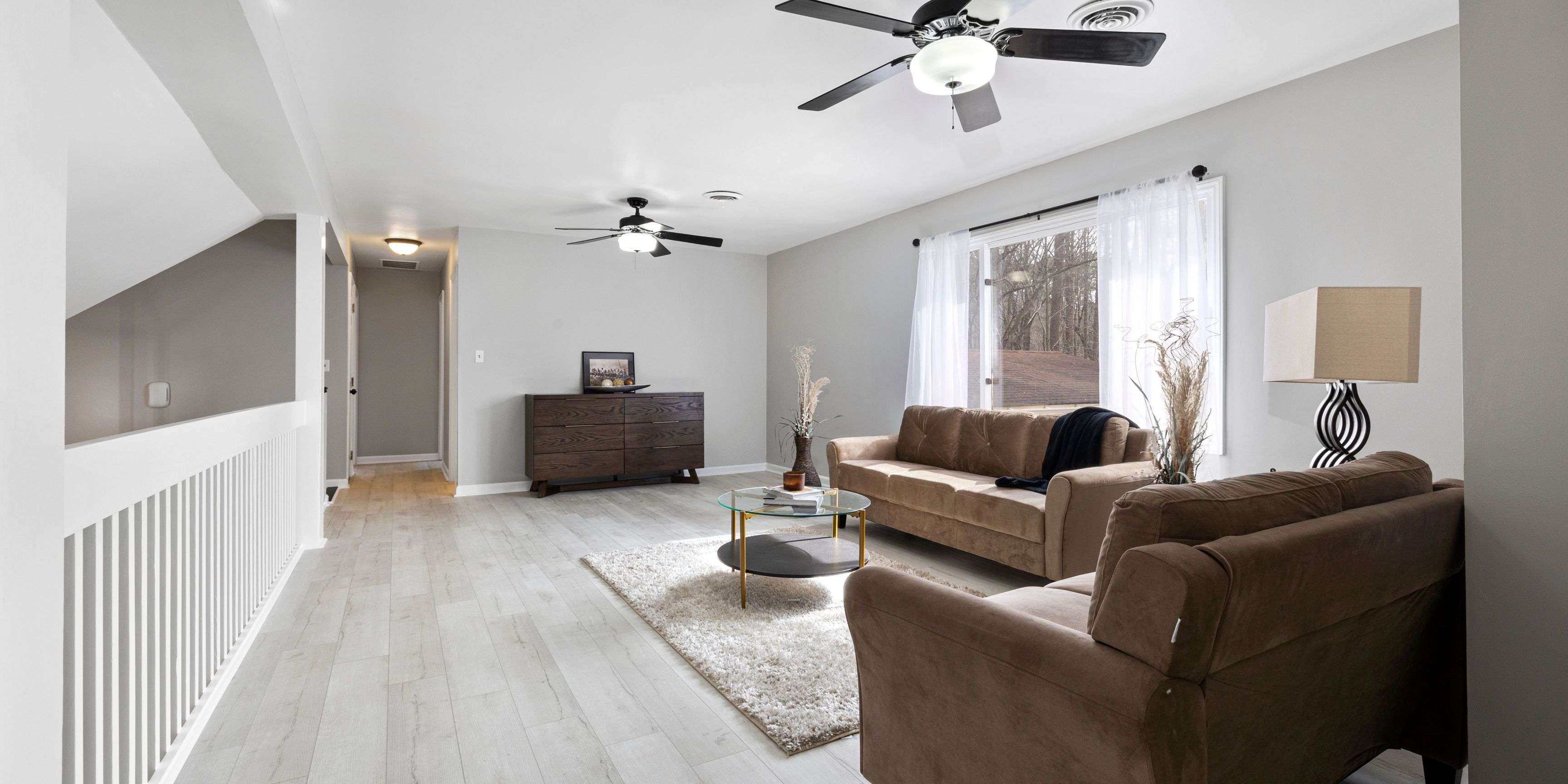
Hardwood flooring adds measurable value to Atlanta-area homes. According to regional real estate data, homes with hardwood floors in neighborhoods like Buckhead, Druid Hills, and Virginia-Highland consistently appraise higher than comparable properties with carpet or laminate. In Atlanta's competitive housing market — where median home prices have risen steadily across Fulton and DeKalb counties — hardwood floors are one of the highest-ROI upgrades available.

Beyond resale value, hardwood performs well in Atlanta's climate when properly installed. The key is matching the right species and installation method to your specific home: engineered hardwood over concrete slabs in newer Midtown condos, solid white oak with proper expansion gaps in the older pier-and-beam homes throughout East Atlanta and Grant Park, and moisture-resistant finishes throughout to handle Atlanta's humid summers. Red clay tracked in from outside is easier to clean from hardwood than from carpet — a practical benefit every Atlanta homeowner appreciates after a rainy week.

Best Wood Species for Atlanta's Climate

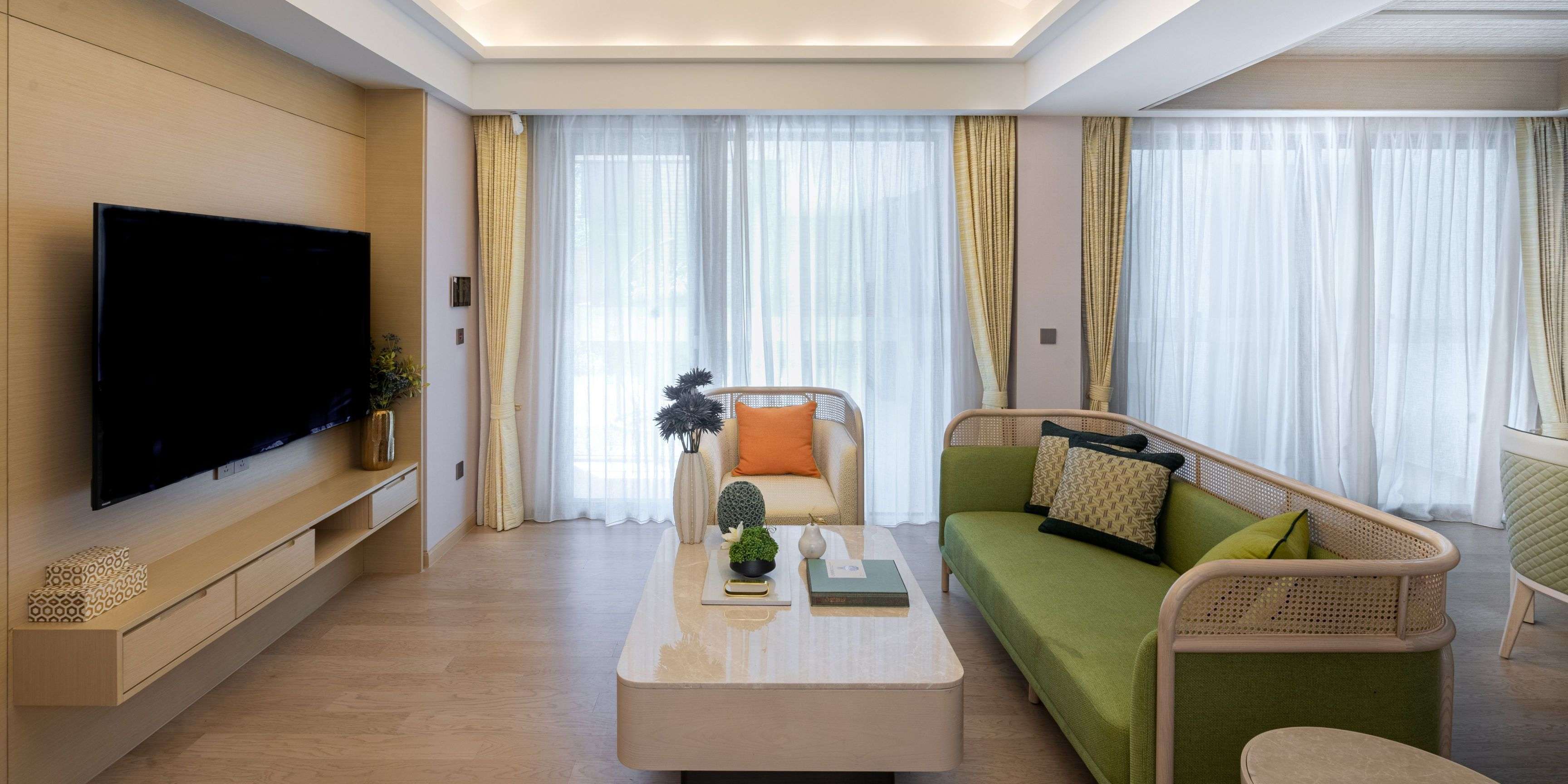
Wood species options suited for Atlanta's humid climate

Species selection in Atlanta must account for 68% average humidity, 50.4 inches of annual rainfall, and temperature swings from summer highs above 90°F to winter lows near 30°F. Closed-grain species outperform open-grain alternatives in moisture resistance, and harder species hold up better to the grit that red clay soil tracks indoors.

  1. White Oak (1,360 Janka) — The top recommendation for Atlanta. Closed grain structure resists moisture absorption better than red oak. Handles humidity fluctuations well and takes stain evenly. Works in both nail-down and glue-down applications.
  2. Red Oak (1,290 Janka) — The most popular budget-friendly option across metro Atlanta. Open grain absorbs stain readily for color variety. Best suited for climate-controlled interiors with consistent HVAC operation. Widely available through local suppliers.
  3. Hickory (1,820 Janka) — The hardest domestic species commonly installed in Atlanta. Ideal for homes with large dogs, active families, or high-traffic commercial spaces. Dramatic grain variation provides a rustic look popular in Roswell, Dunwoody, and Sandy Springs homes.
  4. Brazilian Cherry (2,350 Janka) — Premium exotic species with exceptional hardness. Rich reddish tones deepen with sun exposure. The highest durability rating of any commonly available species, but requires careful acclimation in Atlanta's humidity — allow 10+ days minimum.
  5. Maple (1,450 Janka) — Clean, contemporary look popular in Midtown and Buckhead renovations. Tight grain provides smooth appearance. Harder than oak, but lighter color shows less dirt and red clay tracking. Responds well to light and natural stain finishes.

Atlanta Hardwood Floor Installation Process

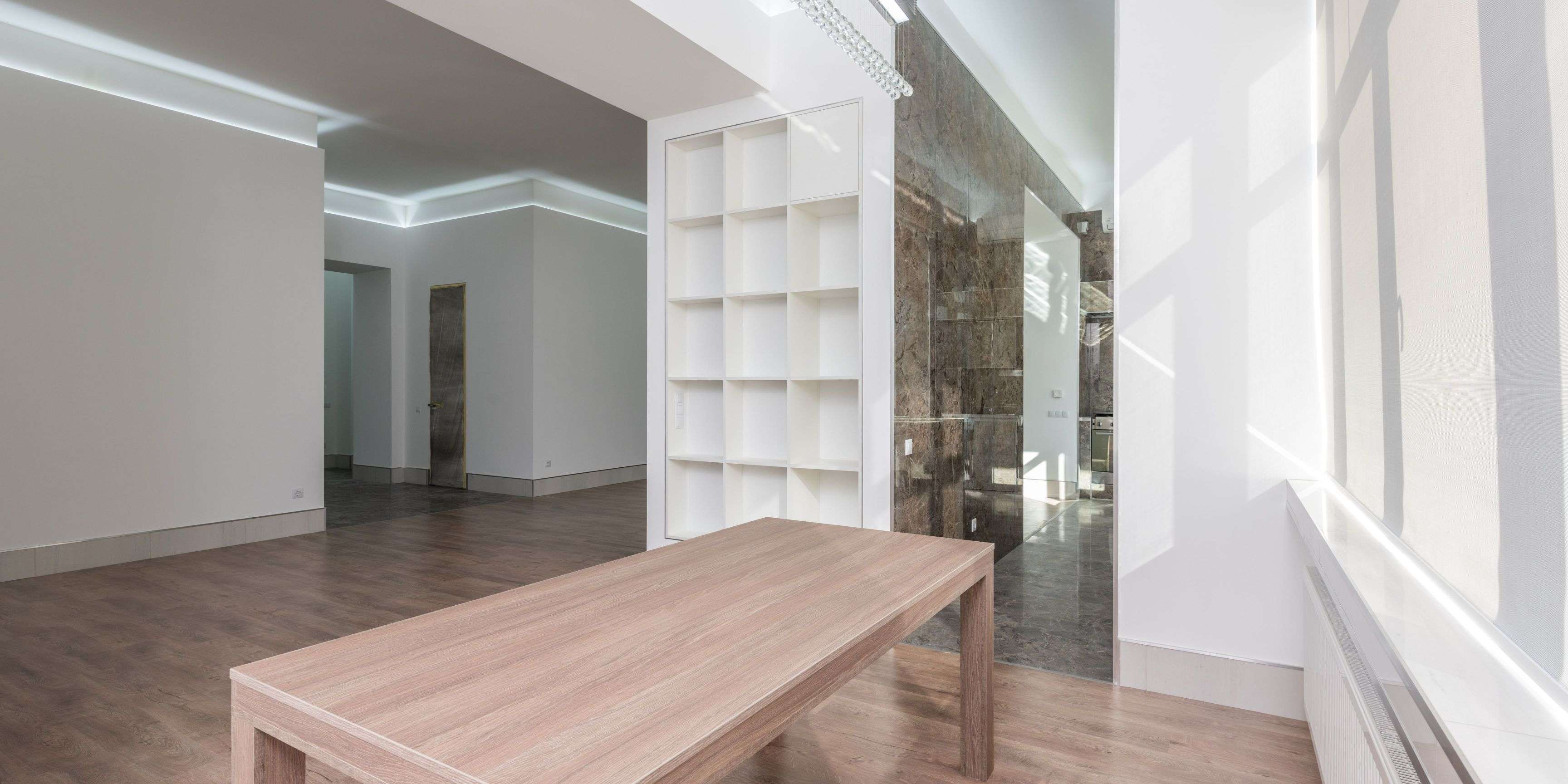
Step-by-step hardwood floor installation process in Atlanta

Hardwood floor installation in Atlanta follows a structured 6-step process adapted for Georgia's climate conditions and the foundation types common across metro Atlanta neighborhoods.

  1. Site Assessment and Moisture Testing — Inspect subfloor condition, measure moisture content with pin and pinless meters, evaluate crawl space ventilation (critical in Inman Park, Grant Park, and other older neighborhoods), and test concrete slab moisture levels using calcium chloride testing. Red clay soil conditions around the foundation are documented.
  2. Subfloor Preparation — Level uneven subfloors, install vapor barriers over concrete slabs, repair crawl space ventilation if moisture readings exceed 12%, and ensure proper grading directs water away from the foundation. Atlanta's red clay requires particular attention to drainage patterns.
  3. On-Site Wood Acclimation — Deliver hardwood to the installation site 5–10 days before work begins. Wood acclimates in the room where it will be installed with HVAC running at normal living conditions. Atlanta's humidity makes this step non-negotiable — skipping acclimation causes expansion, cupping, and buckling within months.
  4. Installation — Nail-down over plywood subfloors (standard in pier-and-beam homes), glue-down over concrete slabs, or floating installation where appropriate. Maintain 3/8-inch expansion gaps at all walls, transitions, and fixed objects. Stagger board joints by at least 6 inches for structural integrity and visual consistency.
  5. Finishing and Sealing — Apply selected finish system: water-based polyurethane (faster cure, lower VOC, preferred for occupied homes), oil-modified polyurethane (richer color depth, longer cure time), or hardwax oil (natural appearance, easy spot repair). Atlanta installers typically recommend 3 coats of polyurethane for maximum humidity protection.
  6. Final Inspection and Walkthrough — Check every board for proper seating, verify expansion gaps are consistent, inspect finish for uniformity, and test transitions at doorways and room borders. Provide care instructions specific to Atlanta's seasonal humidity cycle, including recommended indoor humidity ranges and seasonal HVAC settings.

What to Expect During Your Atlanta Installation

Professional installer working on hardwood floors in Atlanta

Before installation: Your hardwood is delivered 5–10 days early and stored in the installation room with HVAC running. This acclimation period is essential in Atlanta — ambient humidity must stabilize within the wood before it is fastened down. Expect to clear furniture from all installation areas and ensure pets and children have access to unaffected rooms only.

During installation: A typical Atlanta bedroom (150 sq ft) takes about half a day. A full main-floor installation (800–1,200 sq ft) takes 3–4 days. Noise levels are significant during nail-down installation. Dust-contained sanding equipment minimizes airborne particles but doesn't eliminate them entirely. Keep HVAC running throughout the process to maintain consistent temperature and humidity.

After installation: Water-based finishes cure in 24–48 hours for light foot traffic, 5–7 days before placing furniture and area rugs. Oil-based finishes require 3–4 days for foot traffic and 7–10 days before furniture. Avoid wet-mopping for the first 30 days. Atlanta's summer humidity means cure times trend toward the longer end of each range from June through September.

Example Project: Virginia-Highland Craftsman Bungalow

A 1,100 sq ft main-floor installation in a 1925 Craftsman bungalow in Virginia-Highland — one of the most common project types we see in Atlanta's intown neighborhoods.

Home Type
1925 Craftsman bungalow, pier-and-beam foundation with crawl space
Foundation Issue
Crawl space sitting on red clay with no vapor barrier; moisture readings at 15% in original pine subfloor
Remediation
Installed 6-mil polyethylene vapor barrier in crawl space, added two foundation vents, replaced 80 sq ft of moisture-damaged subfloor plywood
Species Selected
5-inch white oak, select grade, site-finished with medium walnut stain
Installation Method
Nail-down over new and existing plywood subfloor with 15 lb felt paper underlayment
Finish
3 coats water-based polyurethane, satin sheen — chosen for faster cure time during humid August installation
Acclimation
8 days on-site with HVAC maintaining 72°F and 48% indoor humidity
Timeline
2 days subfloor prep, 3 days installation, 2 days sanding and finishing, 5 days cure time
Total Cost Range
$13,200–$15,400 including subfloor remediation, vapor barrier, materials, and labor

Solid vs. Engineered Hardwood in Atlanta

Solid and engineered hardwood flooring options for Atlanta homes

The choice between solid and engineered hardwood in Atlanta depends primarily on your foundation type and the room's proximity to moisture sources.

Solid hardwood (3/4-inch thick) is the traditional choice for Atlanta's older homes in Decatur, Druid Hills, and Grant Park that have pier-and-beam foundations with plywood subfloors. Solid planks can be sanded and refinished 3–5 times over their 50+ year lifespan. They perform well when the crawl space below is properly ventilated and vapor-sealed. Not recommended for installation directly over concrete slabs or below grade.

Engineered hardwood (3/8 to 3/4-inch thick) is constructed with a real hardwood veneer over plywood or HDF core layers. The cross-grain construction resists expansion and contraction from humidity changes — a significant advantage in Atlanta where outdoor humidity swings from 55% in fall to 75%+ in summer. Engineered planks can be glued directly to concrete slabs, making them the go-to choice for newer construction in Buckhead, Sandy Springs, and Brookhaven. Higher-end engineered products with thick wear layers (4mm+) can be refinished 1–2 times.

Hardwood Floor Finishes for Atlanta's Climate

Hardwood floor finish options suited for Atlanta's humid conditions

Finish selection in Atlanta must prioritize moisture resistance. The city's 50.4 inches of annual rainfall and sustained summer humidity create conditions that test every floor finish. The three main options for Atlanta installations:

Water-based polyurethane is the most popular choice for Atlanta homes. It cures faster than oil-based alternatives (critical during humid summer months when cure times extend), produces lower VOCs for occupied-home installations, and maintains the wood's natural color without yellowing. Apply 3 coats minimum for Atlanta humidity conditions. Recoat window is 2–4 hours between coats.

Oil-modified polyurethane provides a warmer, amber tone that deepens over time — a look many homeowners in historic Inman Park and Druid Hills properties prefer. It offers slightly better scratch resistance than water-based options but requires 8–12 hours between coats and 3–4 days of cure time before foot traffic. Schedule oil-based finish work during fall or spring when Atlanta's humidity is lower.

Hardwax oil penetrates the wood grain rather than sitting on top, creating a natural, matte appearance popular in contemporary Midtown and Westside renovations. Easier to spot-repair than polyurethane — damaged areas can be re-oiled without refinishing the entire floor. Requires reapplication every 1–2 years in high-traffic areas.

Hardwood Floor Installation Cost in Atlanta

Hardwood flooring cost breakdown for Atlanta area projects

Atlanta hardwood floor installation pricing reflects both material costs and the additional prep work that Georgia's red clay soil and humid climate often require. Here is what drives the final number:

Basic Solid Oak Installation
$10–$13 per sq ft installed — includes materials, labor, and standard subfloor prep
Premium Species (Hickory, White Oak Select)
$12–$15 per sq ft installed — higher material cost, same labor range
Exotic Species (Brazilian Cherry, Teak)
$14–$16+ per sq ft installed — premium materials, longer acclimation requirements
Engineered Hardwood
$9–$14 per sq ft installed — often lower total cost due to simpler installation over concrete slabs
Refinishing Existing Floors
$4–$7 per sq ft — sanding, staining, and 3 coats of polyurethane
Subfloor Moisture Remediation
$500–$2,000 additional — crawl space vapor barrier, vent installation, or subfloor replacement
Staircase Installation
$75–$150 per step — treads, risers, and nosing

A typical Atlanta project — 800 sq ft of white oak in a Virginia-Highland or Decatur home — runs $9,600–$12,000 before any subfloor remediation. Homes with crawl space moisture issues or deteriorated subfloors from red clay drainage problems should budget an additional $1,000–$2,000 for prep work.

Maintaining Hardwood Floors in Atlanta's Climate

Hardwood floor maintenance for Atlanta's humid conditions

Atlanta's climate creates specific maintenance demands that differ from drier regions. Humidity management is the single biggest factor in hardwood floor longevity here.

  1. Control indoor humidity year-round — Maintain 35–55% relative humidity inside your home. Atlanta summers regularly push outdoor humidity above 70%, so run your HVAC or a standalone dehumidifier from May through September. Winter months may require a humidifier to prevent over-drying and gap formation between boards.
  2. Manage red clay tracking — Place heavy-duty doormats at every exterior entrance. Atlanta's red clay (Cecil soil series) stains hardwood if ground in by foot traffic. Remove shoes at the door during wet months. Keep a microfiber dust mop accessible for daily use near entryways.
  3. Clean with the right products — Use pH-neutral hardwood floor cleaner applied with a damp (never wet) microfiber mop. Avoid steam mops, vinegar solutions, and Murphy's Oil Soap on polyurethane-finished floors. Excess moisture is the primary cause of finish damage in Atlanta homes.
  4. Protect high-traffic areas — Use felt pads under all furniture legs. Place area rugs in hallways and main traffic paths, but lift and reposition them periodically to prevent uneven UV fading and finish wear. Atlanta's strong southern sun can lighten unprotected floors noticeably within 6–12 months.
  5. Schedule refinishing proactively — Plan to refinish every 7–10 years in average-traffic homes, every 5–7 years in homes with dogs or children. Book refinishing during fall (October–November) when Atlanta's humidity is most favorable for finish cure times.

Hardwood Floor Refinishing in Atlanta

Hardwood floor refinishing in progress at an Atlanta home

Refinishing restores worn hardwood floors to like-new condition at roughly one-third the cost of full replacement. In Atlanta, refinishing is especially common in established neighborhoods like Druid Hills, Virginia-Highland, Decatur, and Grant Park where many homes still have their original hardwood from the 1920s–1960s.

When to refinish vs. replace: Refinish if the wear layer has at least 1/16 inch of wood remaining above the tongue-and-groove joint, if boards are structurally sound, and if damage is limited to the surface. Replace if boards are cupped, buckled, or have water damage that extends below the surface — common in Atlanta homes where crawl space moisture has been left unaddressed for years.

The refinishing process takes 3–5 days for a typical Atlanta home: day 1 for sanding (3 passes with progressively finer grits), day 2 for staining (if changing color), and days 3–5 for applying and curing 3 coats of polyurethane. Dust-contained sanding equipment captures 95%+ of airborne particles. Schedule refinishing during October or November when Atlanta's humidity drops below 60%, allowing optimal finish adhesion and cure times.

Cost: $4–$7 per square foot in the Atlanta market, depending on the number of coats, stain complexity, and the floor's current condition. A 1,000 sq ft refinishing project in an East Atlanta or Brookhaven home typically runs $4,500–$6,500.

Sustainable Hardwood Flooring Options in Atlanta

Eco-friendly and sustainable hardwood flooring in Atlanta

Atlanta's growing emphasis on sustainable building — reflected in the city's adoption of green building incentives and the Atlanta BeltLine's focus on sustainable development — extends to flooring choices. Several eco-conscious options perform well in Atlanta's climate:

  1. FSC-Certified Hardwood — Sourced from responsibly managed forests certified by the Forest Stewardship Council. Available in white oak, red oak, and maple from Appalachian mills within 300 miles of Atlanta, reducing transportation emissions.
  2. Reclaimed Hardwood — Salvaged from demolished barns, warehouses, and historic buildings across the Southeast. Heart pine reclaimed from Georgia textile mills is a locally sourced option with unique character and proven durability. Requires kiln drying before installation to meet Atlanta's moisture requirements.
  3. Bamboo Flooring — Strand-woven bamboo achieves 3,000+ Janka hardness while renewing in 3–5 years versus 40–60 years for hardwood trees. Performs well in Atlanta's humidity when properly acclimated. Available in styles that closely mimic traditional hardwood grain patterns.
  4. Low-VOC Finishes — Water-based polyurethanes and hardwax oil finishes emit significantly fewer volatile organic compounds than traditional oil-based products. Especially important for occupied-home installations in Atlanta's warmer months when windows remain closed for air conditioning.

How to Evaluate an Atlanta Hardwood Flooring Installer

Choosing a hardwood flooring installer in Atlanta requires verifying credentials specific to Georgia's licensing and insurance requirements, and confirming the installer understands the moisture challenges unique to metro Atlanta's building stock.

  1. Verify Georgia state licensing — Any contractor working on projects valued at $2,500 or more must be licensed through the Georgia Secretary of State. Ask for the license number and verify it online at sos.ga.gov. Unlicensed work voids most manufacturer warranties.
  2. Confirm insurance coverage — Require certificates of liability insurance and workers' compensation before any work begins. Verify coverage is current, not expired. This protects you from liability if a worker is injured in your home.
  3. Ask about moisture testing protocols — A qualified Atlanta installer tests subfloor moisture with both pin-type and pinless meters, evaluates crawl space conditions, and performs calcium chloride testing on concrete slabs. If an installer skips moisture testing, that is a disqualifying red flag.
  4. Request local references — Ask for references from projects completed in your neighborhood or in homes with similar foundation types. An installer experienced with Buckhead slab-on-grade condos may not have the same expertise with Inman Park crawl space homes, and vice versa.
  5. Get detailed written estimates — The estimate should itemize material costs, labor, subfloor prep, moisture remediation (if needed), finish application, and timeline. Vague estimates that lump everything into a single per-square-foot price often lead to unexpected charges.

Get a Free Hardwood Flooring Estimate in Atlanta

Every Atlanta hardwood flooring estimate begins with an on-site assessment of your subfloor condition, moisture levels, and project scope. We provide detailed, itemized quotes that break down materials, labor, prep work, and finishing — no hidden costs or vague line items. Service area covers all of metro Atlanta including Buckhead, Midtown, Virginia-Highland, Decatur, Druid Hills, Inman Park, Grant Park, Brookhaven, Sandy Springs, Dunwoody, Roswell, and East Atlanta.

Get Your Free Estimate: 888-959-0968

Frequently Asked Questions

How much does hardwood floor installation cost in Atlanta?

Hardwood floor installation in Atlanta typically costs $10 to $16 per square foot installed, depending on wood species and project complexity. Solid oak runs $10–$13/sq ft, while exotic species like Brazilian cherry reach $14–$16/sq ft. A typical 300 sq ft living room costs $3,000–$4,800 total. Subfloor repairs from red clay soil moisture issues, crawl space ventilation work, or staircase installation can add $500–$2,000 to the project.

Does Atlanta's humidity damage hardwood floors?

Atlanta averages 68% relative humidity annually, which can cause hardwood to expand, cup, or buckle if not properly managed. Professional installers acclimate wood on-site for 5–10 days before installation and leave 3/8-inch expansion gaps at walls. Engineered hardwood performs better than solid in Atlanta's humidity, and whole-home dehumidification to maintain 35–55% indoor humidity is strongly recommended for long-term floor stability.

Is engineered or solid hardwood better for Atlanta homes?

Engineered hardwood is generally the better choice for Atlanta due to the city's high humidity (68% average) and the prevalence of slab-on-grade and crawl space foundations. Engineered planks resist moisture-driven expansion better than solid wood and can be installed over concrete slabs, which are common in newer Buckhead condos and Midtown developments. Solid hardwood works well in pier-and-beam homes with proper crawl space ventilation.

How long does hardwood floor installation take in Atlanta?

Most Atlanta hardwood floor installations take 2–5 days for a typical home, plus 5–10 days of on-site acclimation before work begins. A 300 sq ft room takes 1–2 days; a full 1,500 sq ft home takes 4–5 days. Factor in an additional day if the subfloor needs leveling or moisture barrier installation, which is common in homes built on Atlanta's red clay soil.

What is the best wood species for Atlanta's climate?

White oak is the top choice for Atlanta homes due to its closed-grain structure that resists moisture absorption — critical in a city averaging 50.4 inches of rainfall and 68% humidity. White oak rates 1,360 on the Janka hardness scale, handling heavy foot traffic well. Red oak (1,290 Janka) is the most popular budget option. Hickory (1,820 Janka) is ideal for households with large dogs.

Do I need a contractor license to install hardwood floors in Georgia?

In Georgia, any flooring contractor working on projects valued at $2,500 or more must hold a valid state license through the Georgia Secretary of State's office. Always verify your installer's license status before signing a contract. Licensed contractors carry required liability insurance and workers' compensation coverage. For Atlanta specifically, contractors may also need a City of Atlanta business license.

How do I maintain hardwood floors in Atlanta's climate?

In Atlanta's humid climate, maintaining indoor humidity between 35–55% year-round is the single most important step for hardwood floor longevity. Run HVAC or a dehumidifier during summer months when outdoor humidity regularly exceeds 70%. Place mats at exterior doors to catch red clay tracked indoors, and clean with a damp microfiber mop using pH-neutral hardwood cleaner. Avoid steam mops. Refinish every 7–10 years.

Can hardwood floors be installed over concrete slabs in Atlanta?

Yes, but only with engineered hardwood or a properly prepared floating-floor system. Many Atlanta homes — especially newer construction in Buckhead, Sandy Springs, and Brookhaven — are built on concrete slabs. The slab must pass a calcium chloride moisture test (under 3 lbs per 1,000 sq ft) before installation. A moisture barrier is always required. Solid hardwood cannot be nailed directly to concrete.

When is the best time of year to install hardwood floors in Atlanta?

Fall (October–November) is the ideal window for hardwood floor installation in Atlanta. Humidity drops to 55–60%, temperatures are moderate, and the wood acclimates more predictably. Spring (March–April) is the second-best option. Avoid summer installations when humidity regularly exceeds 75% and afternoon thunderstorms can complicate acclimation.

How does red clay soil affect hardwood floor installation in Atlanta?

Atlanta's red clay soil (Cecil series) retains significant moisture and has poor drainage, which creates elevated moisture levels in crawl spaces and concrete slabs. Homes in Virginia-Highland, Inman Park, and Grant Park — many built in the early 1900s with pier-and-beam foundations — often have crawl spaces sitting directly on red clay. A vapor barrier, proper grading, and functional gutters are essential prerequisites before installation.